History's big decisions, replayed without hindsight.
Drawer
Patterns in Strategy
Strategic constraints and failure modes that recur across eras, from Hannibal's Italy to the 1930s, each tested against a counterexample and its limits.
3 replays on file; the lead file comes first, the rest newest first.
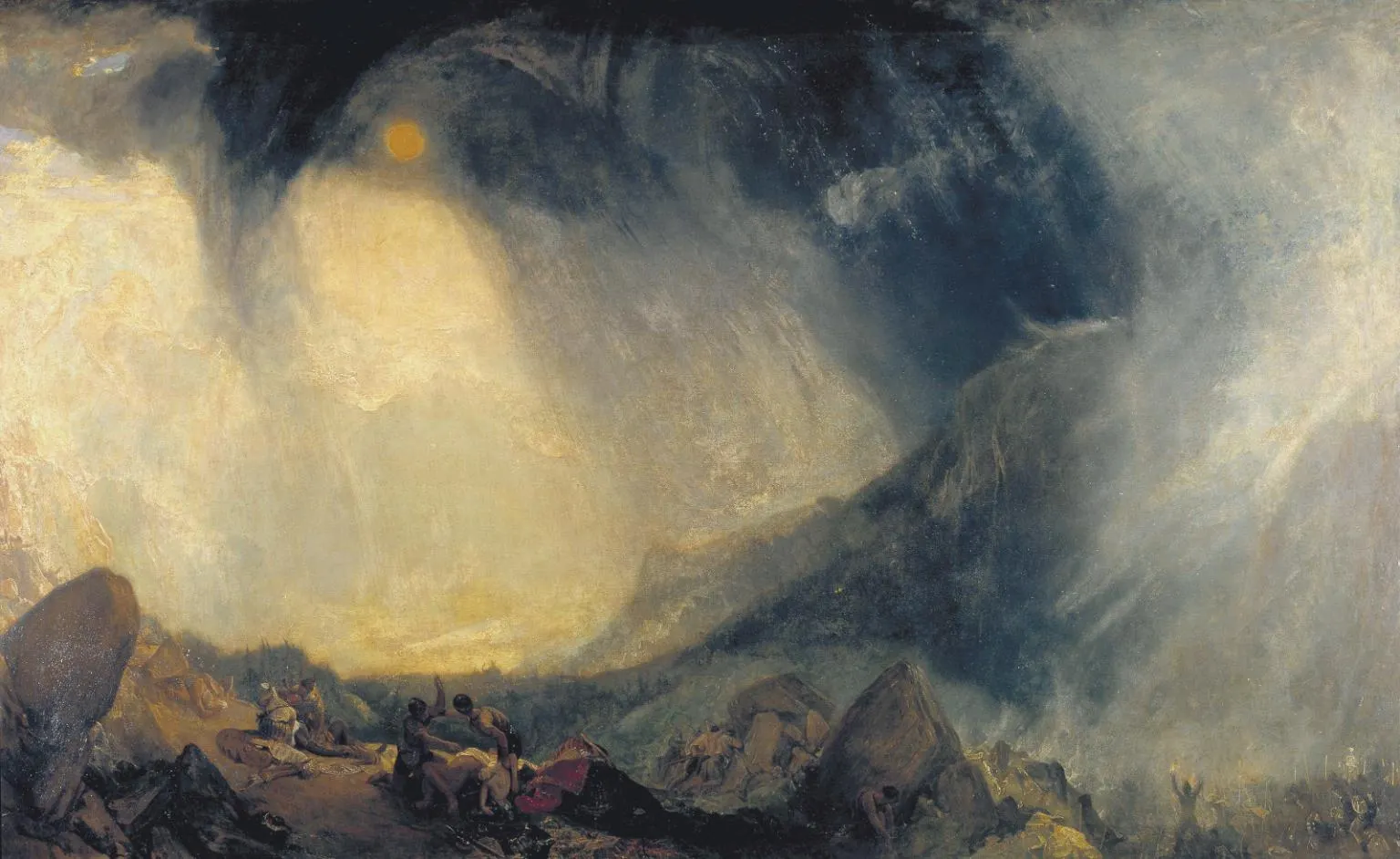
After Cannae in 216 BC, Livy says, Rome ordered Hannibal's envoy Carthalo out by nightfall and refused to ransom the captives. Polybius's 225 BC roll, added up.
Filed
Image credit
"Snow Storm: Hannibal and his Army Crossing the Alps" by J. M. W. Turner — https://commons.wikimedia.org/wiki/File:Joseph_Mallord_William_Turner_081.jpg — Public domain (J. M. W. Turner d. 1851; painted 1810–1812; US and EU: author died more than 70 years ago; faithful reproduction of a two-dimensional work, Tate N00490)
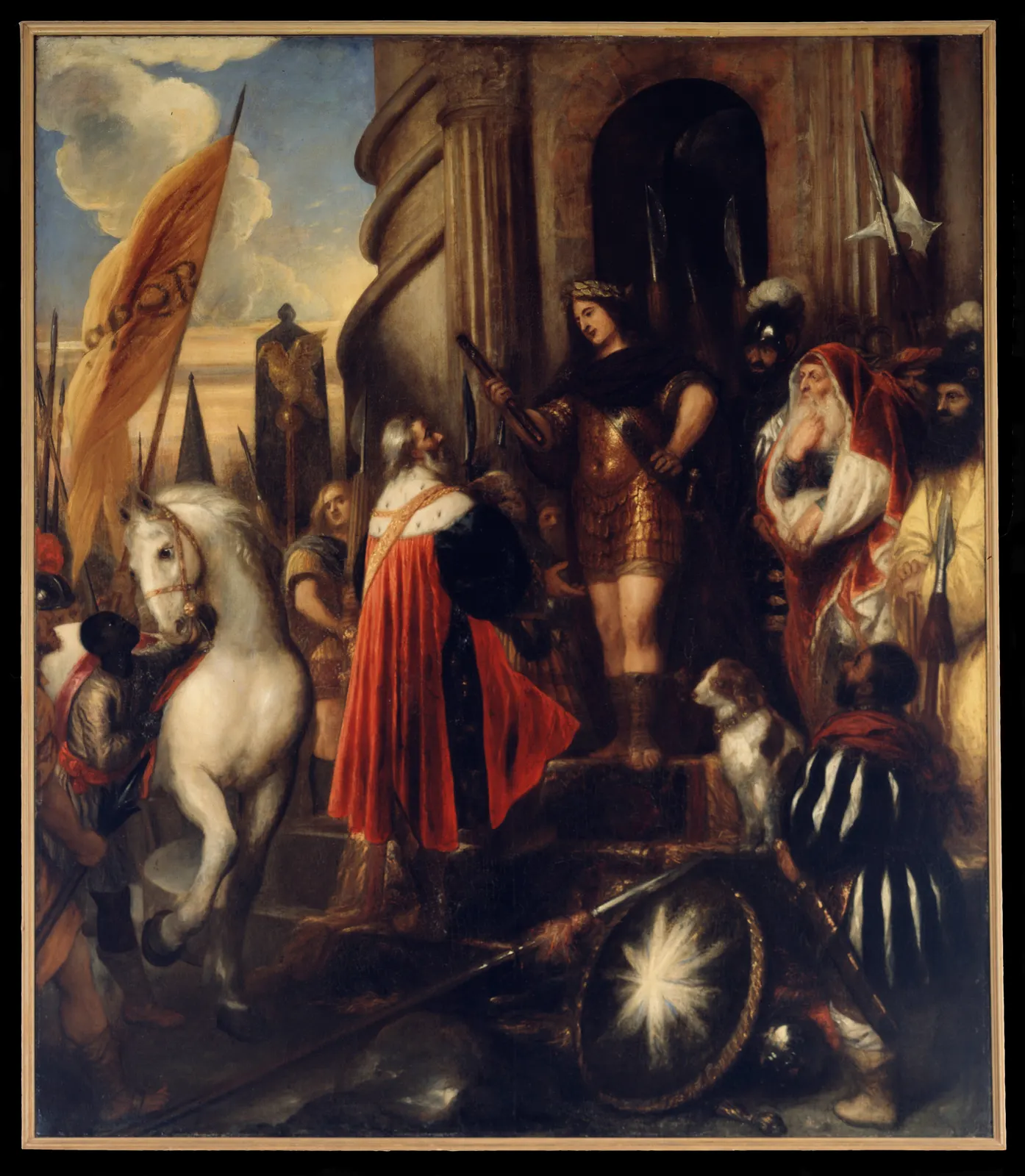
Fabius shadowed Hannibal in 217 BC without risking battle. Within months, Polybius says, Rome gave his deputy equal power: two dictators for one war.
Filed
Image credit
"Quintus Fabius Maximus, his horse, and his son" by Jan Lievens — https://commons.wikimedia.org/wiki/File:Jan_Lievens_-_Quintus_Fabius_Maximus_-_Google_Art_Project.jpg — Public domain (painter d. 1674; public domain in the US and the EU; faithful reproduction of a two-dimensional work, Royal Palace of Amsterdam 9.03)
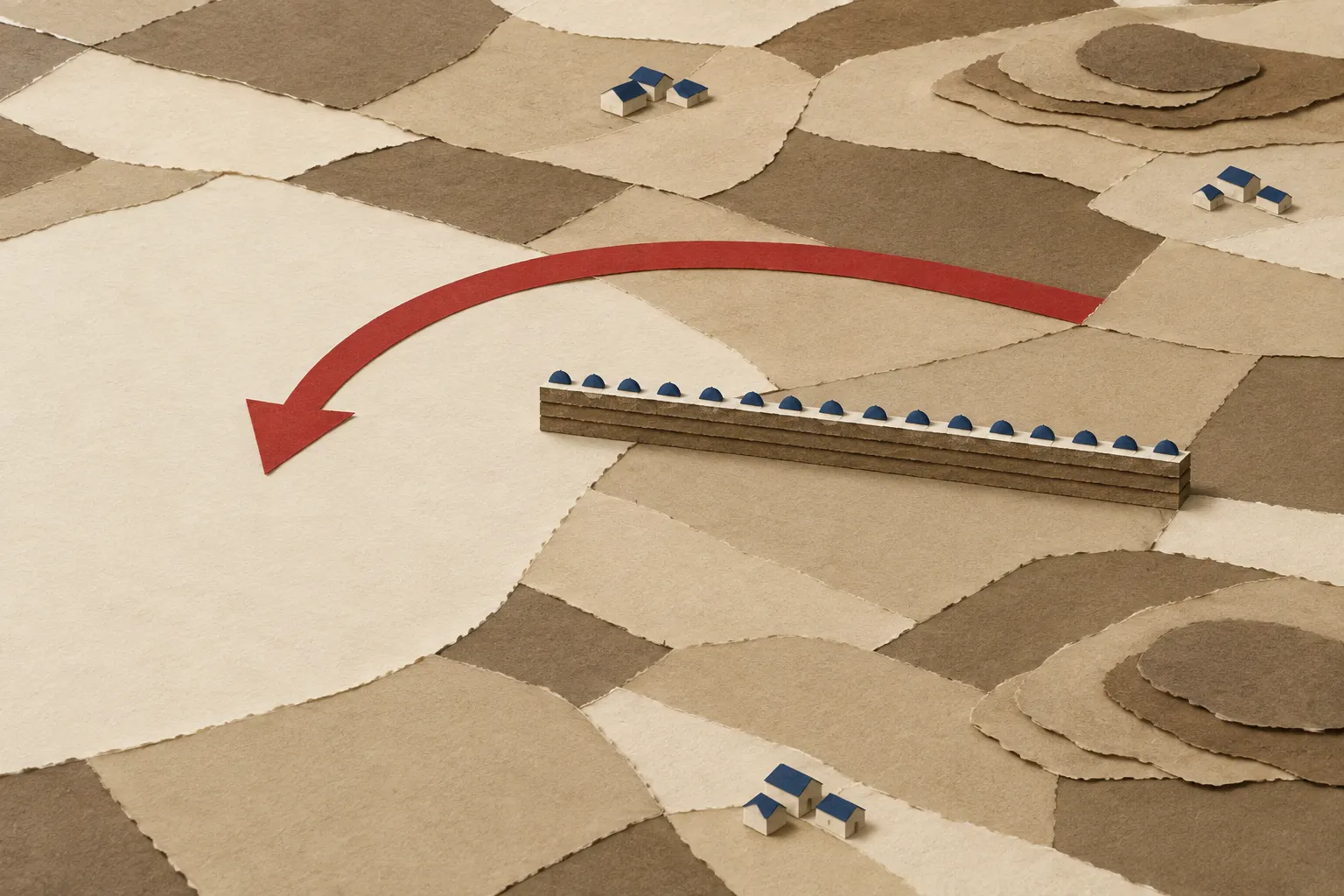
Did the Maginot Line fail? Historian Michaël Seramour argues it did its job, pushing the 1940 attack into Belgium. What France knew, and what Gamelin chose.
May Treaties & Tradeoffs count your visit with Google Analytics? It sets cookies to measure reading. Cloudflare Web Analytics, which uses no cookies, counts pages either way. There are no ads on this site. Privacy terms